At ISES 2026, SAVIC Inc. connected with energy, renewable energy, and sustainability leaders shaping Malaysia's energy future — and made the case that sustainable growth needs intelligent business operations, not just clean power.
Malaysia's Energy Future Is Getting Smarter
On August 12–13, 2026, SAVIC Inc. attended ISES 2026 in Malaysia, connecting with energy, renewable energy, and sustainability leaders shaping what comes next for the country's energy landscape. The event floor brought together solar developers, battery storage providers, industrial power specialists, and the Energy Commission of Malaysia itself — a cross-section of the ecosystem driving Malaysia's energy transition forward.
Malaysia's energy sector has been in a period of sustained acceleration, driven by the National Energy Transition Roadmap and a steady pipeline of large-scale solar programmes such as the Large Scale Solar (LSS) initiative. ISES 2026 was a snapshot of that momentum in one hall — developers, regulators, and industrial power providers all working through the same underlying question from different angles: how does the country scale clean energy capacity quickly, reliably, and profitably.
What the Show Floor Reflected
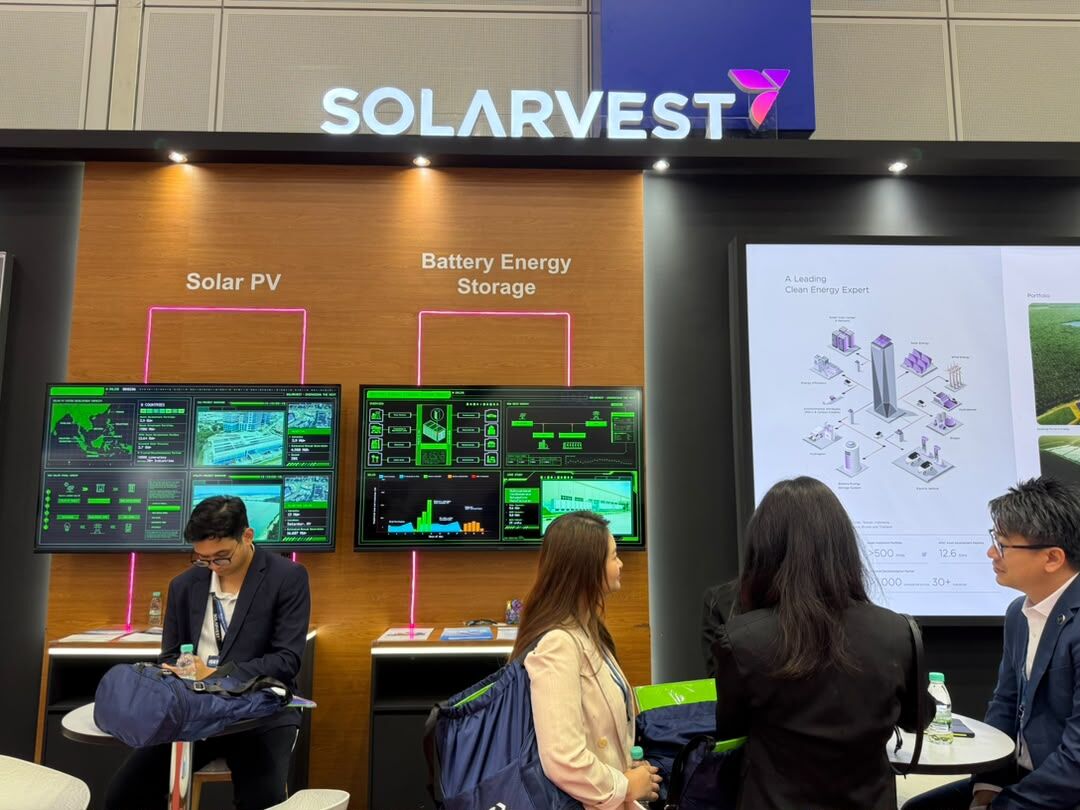
The exhibitors at ISES 2026 made Malaysia's energy priorities visible in a very tangible way. Solarvest's booth showcased live Solar PV and Battery Energy Storage monitoring dashboards, tracking performance data across a multi-country portfolio in real time. The dashboards weren't a static mock-up — they displayed live generation, storage, and asset-health data spanning multiple project sites, a strong signal that operational visibility at scale is now table stakes for a serious solar developer, not a differentiator.
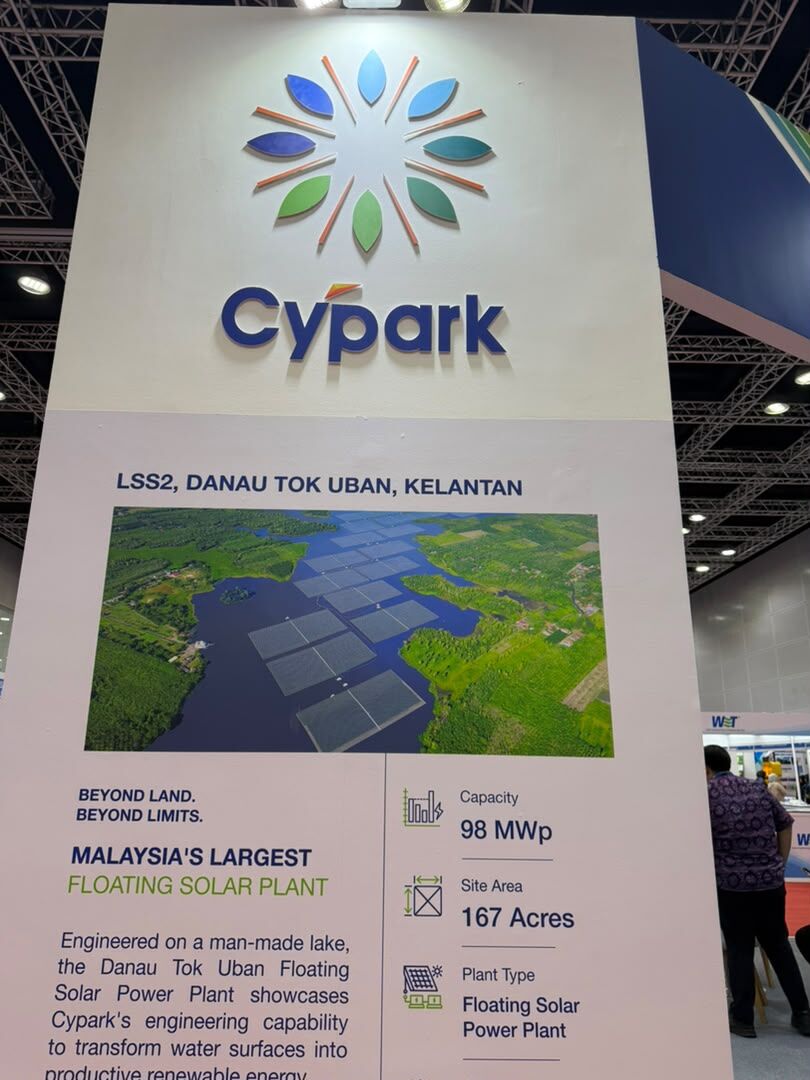
Cypark presented Malaysia's largest floating solar plant — a 98 MWp installation on a 167-acre man-made lake at Danau Tok Uban, Kelantan — as proof that land constraints no longer have to limit clean energy capacity. Framed under the banner "Beyond Land. Beyond Limits.", the project is a useful illustration of where utility-scale solar in land-scarce markets is heading: engineering ingenuity substituting for available land, and water surfaces becoming productive renewable energy assets in their own right.
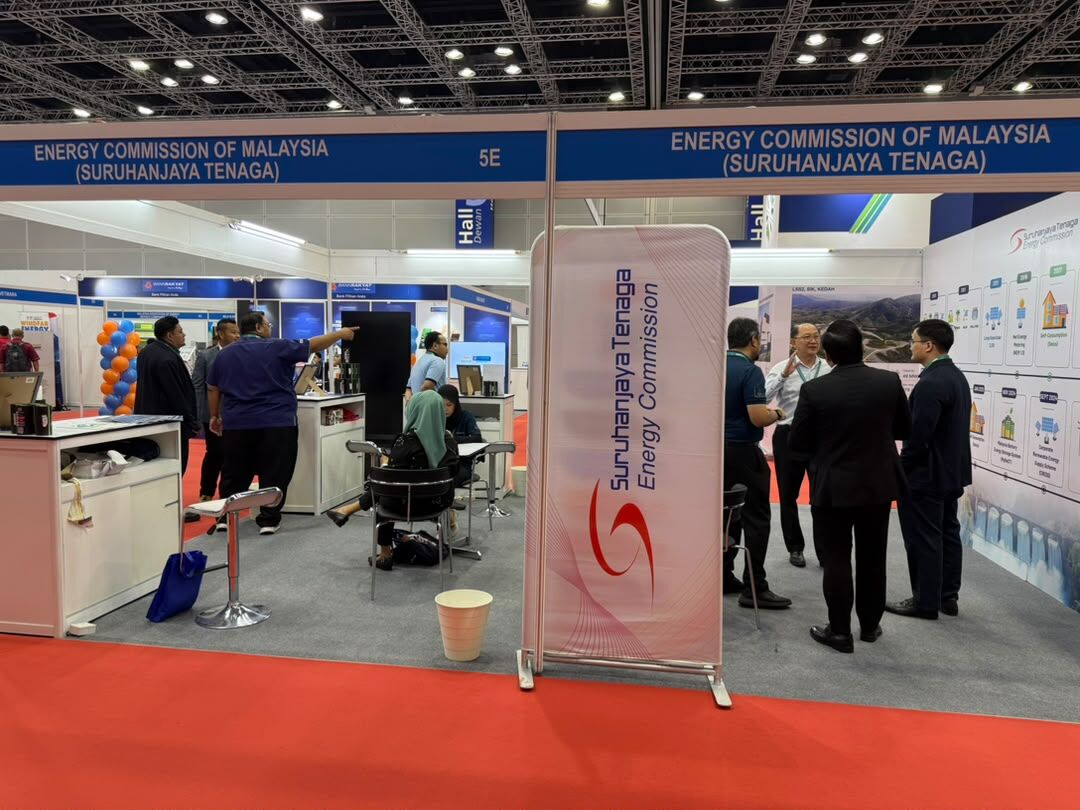
The Energy Commission of Malaysia (Suruhanjaya Tenaga) was on the floor as well, engaging directly with attendees on the regulatory and policy frameworks — net energy metering, renewable energy supply schemes, and self-consumption programmes — that underpin how these projects get built and connected to the grid. Having the regulator present and accessible, rather than represented only through policy documents, was one of the more valuable aspects of the event: it let developers and enterprise buyers ask direct questions about scheme eligibility, grid connection timelines, and compliance requirements in real time.
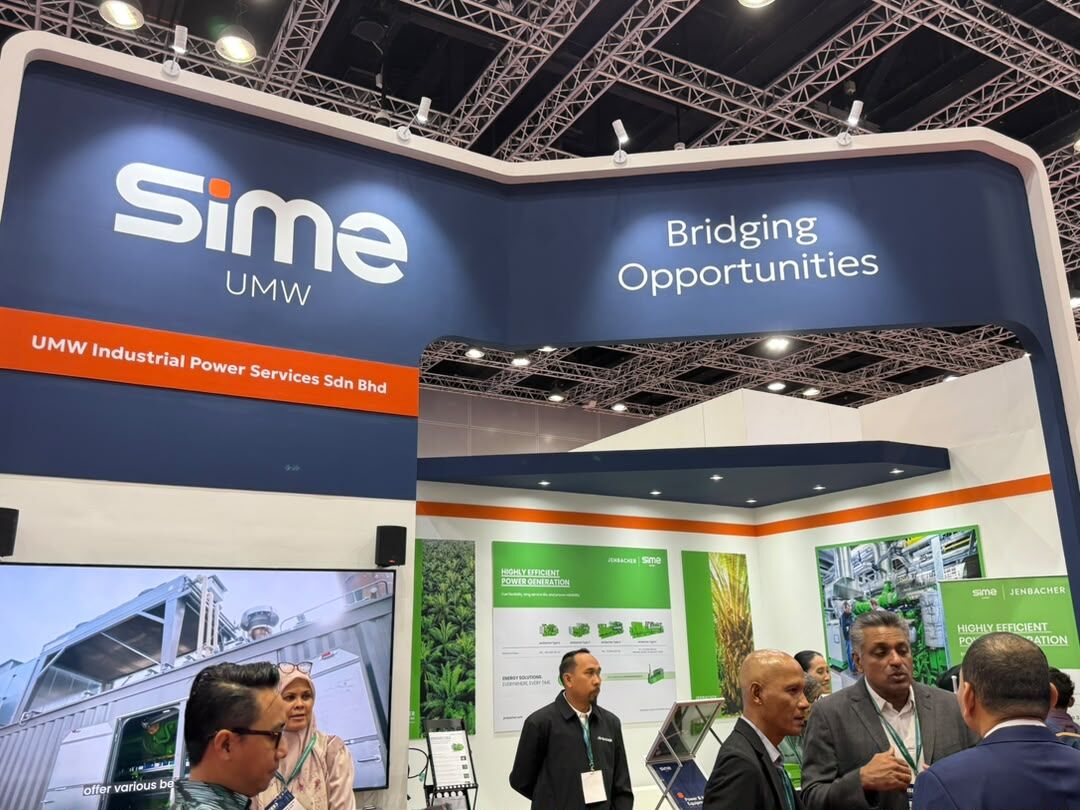
Elsewhere, Sime UMW's Jenbacher power generation showcase pointed to another side of the energy transition — highly efficient, flexible power generation feeding into industrial and process operations, positioned under the theme of "Bridging Opportunities" across the sector. It's a reminder that Malaysia's energy transition isn't a single-technology story: solar and battery storage headline the conversation, but flexible, efficient power generation for industrial and process applications remains a core part of how the country balances growth with decarbonisation targets.
Sustainable Growth Needs Intelligent Business Operations
From renewable power to decarbonisation, one thing was clear across every conversation at ISES 2026: sustainable growth needs intelligent business operations. Solar capacity, battery storage, and floating solar plants solve the generation side of the equation. What determines whether that investment translates into measurable business value is the operational layer behind it — how efficiently a project portfolio is managed, how quickly performance data turns into decisions, and how well finance, asset management, and compliance keep pace with a rapidly scaling clean energy business.
This is where SAVIC's conversations at ISES 2026 focused. With SAP Cloud ERP, Business AI, Analytics, and Automation, SAVIC Inc. helps energy, renewable energy, and sustainability-focused organizations turn innovation into measurable business outcomes — connecting the ambition behind projects like Malaysia's largest floating solar plant to the operational systems that let that ambition scale profitably.
The Operational Reality Behind Every Clean Energy Project
A single solar or battery storage asset can often run on spreadsheets and standalone monitoring tools. A portfolio of them across multiple states, grid connection agreements, and ownership structures cannot. That's the inflection point many of the developers at ISES 2026 are approaching — moving from "our first few large-scale sites" to "a growing, multi-site clean energy portfolio that has to report cleanly to lenders, regulators, and investors."
SAP Cloud ERP addresses that inflection point directly:
- Asset and plant maintenance — centralized tracking of maintenance schedules, downtime, and performance across every solar, battery, or generation asset in a portfolio, rather than per-site tools that don't talk to each other
- Project and financial consolidation — real-time visibility into project-level costs, revenue, and margins as a developer scales from a handful of sites to dozens, with consolidated group reporting that doesn't require a manual month-end exercise
- Compliance and regulatory reporting — structured processes for the net energy metering, renewable energy supply scheme, and self-consumption programme requirements the Energy Commission of Malaysia discussed on the floor
- Sustainability and ESG reporting — auditable, structured emissions and sustainability data that increasingly matters as much to lenders and investors as the underlying generation numbers
None of this replaces the engineering behind a floating solar plant or a battery storage installation. It's the layer that decides whether that engineering achievement becomes a well-run, investable, scalable business — or a collection of impressive but operationally disconnected projects.
From Single Project to Portfolio: Where Most Clean Energy Businesses Get Stuck
The pattern SAVIC sees across energy and renewable clients is consistent: the first project is usually well-executed, because it gets focused attention and a dedicated team. The strain shows up around project three, four, or five, when the same finance and operations team is now managing multiple sites with different commissioning dates, different regulatory schemes, and different performance profiles — often still using the tools built for a single project.
That's exactly the moment a Cloud ERP foundation pays for itself. Getting the operational backbone right before scaling to ten, twenty, or fifty sites is significantly cheaper and less disruptive than retrofitting it after the fact, when historical data across sites is inconsistent and hard to consolidate.
Smarter Energy. Smarter Business. Sustainable Future.
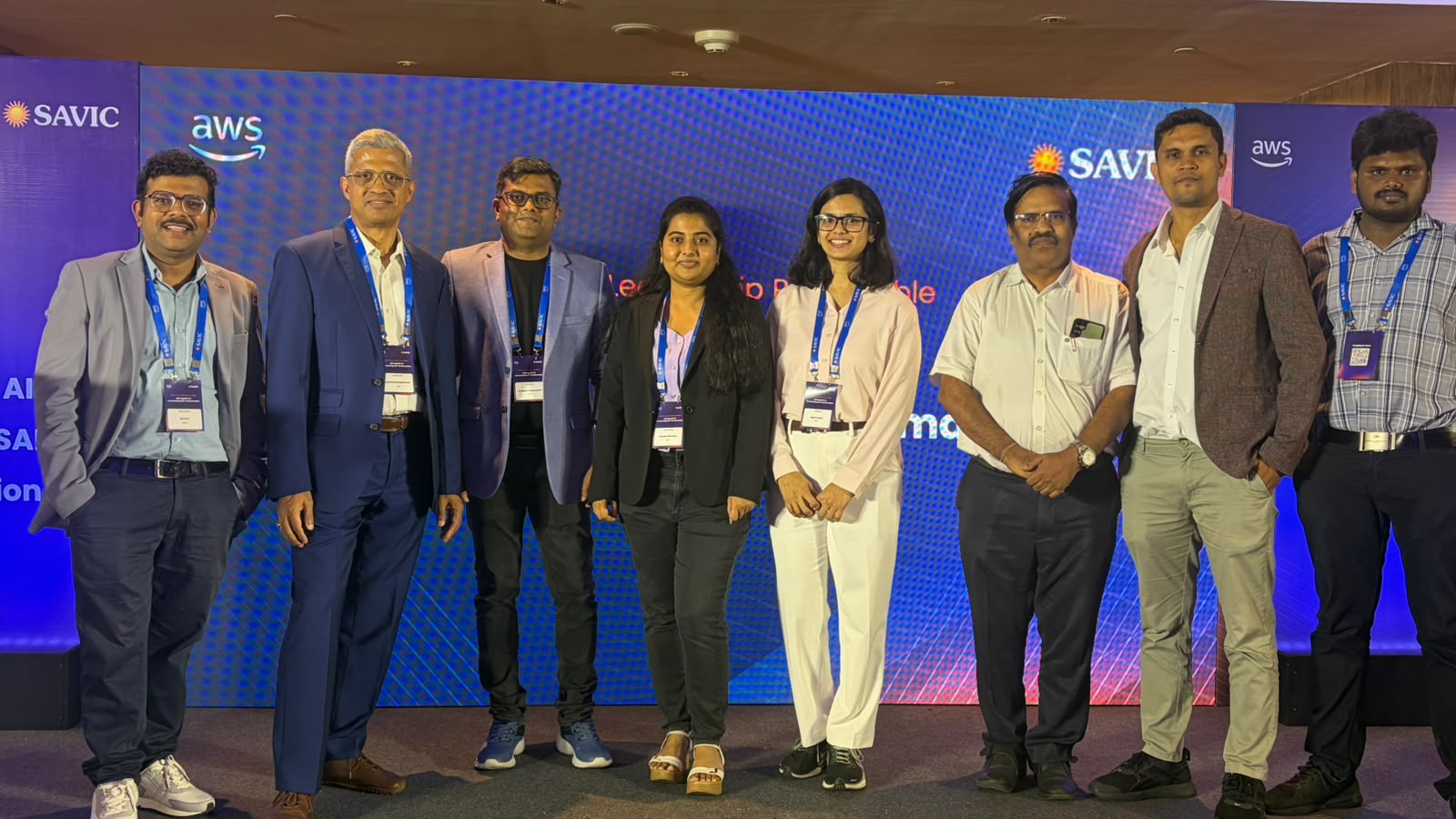
SAVIC was represented at ISES 2026 by Zayadi Azul Islami (Eddie), Vice President – Sales, engaging directly with the energy and sustainability leaders on the floor. The conversations reinforced a theme SAVIC sees consistently across the energy sector: the organizations that pair clean energy investment with intelligent, SAP-powered business operations are the ones best positioned to scale that investment into a genuinely sustainable, future-ready business.
If your organization is investing in renewable energy, decarbonisation, or sustainability initiatives and wants to explore how SAP Cloud ERP and Business AI can support that scale-up, SAVIC's team is available to start that conversation.
Frequently Asked Questions
What is ISES 2026?
ISES 2026 is a Malaysia-based energy industry event bringing together energy, renewable energy, and sustainability leaders to discuss the country's energy transition, decarbonisation, and clean power initiatives such as solar PV, battery energy storage, and floating solar plants.
Why was SAVIC at ISES 2026?
SAVIC Inc. attended ISES 2026 to connect with Malaysia's energy and sustainability ecosystem and make the case that sustainable growth in the energy sector depends on intelligent business operations — SAP Cloud ERP, Business AI, analytics, and automation — alongside investment in clean power infrastructure.
How does SAP support renewable energy and sustainability goals?
SAP Cloud ERP, combined with Business AI, analytics, and automation, gives energy and renewable energy organizations the operational visibility and efficiency needed to turn sustainability commitments and clean energy investments into measurable, trackable business outcomes.
Does SAVIC work with energy sector clients in Malaysia?
Yes. SAVIC Inc. supports energy, renewable energy, and sustainability-focused organizations in Malaysia and the wider region with SAP Cloud ERP, Business AI, analytics, and automation to help them scale clean energy operations efficiently.